Travel: To Burra
Some surprises on the road to Burra
The Ninnes family had a much more challenging trip to Burra than us. They came to Australia by way of a ship from Plymouth to Port Phillip. The journey was patently difficult, and tragic.
July 17 We sailed from Plymouth in the Andromache about 450 tones in dead calm winds in the Bay of Biske. All most all very sick.
10 Sept Dorcas died 1000 miles south of the Cape of Good Hope Buried at sea.
12 September- Landed at the Dippot.
I’m not sure who Dorcas was, but I’m assuming s/he was one of their children.
It seems as if Thomas Ninnes then obtained ”General Purpose” work for a while, somewhere in the “Pironees” Mountains, while his wife was engaged “to wash” for his boss’s house.
My wife did not like it neither was she able to work and care for her own three children We left early in 1849 and came down with Wm Ervins wool dray loaded with wool to Geelong
Hmmm … Thomas didn’t care for his children?
Thomas then obtained work as a storeman in Geelong and stayed until April 1849 when he set sail with his brother, brother-in-law and families to Adelaide. That journey was also tragic.
… we came from Melbourne in the ship Wuzeer Self wife and three children £8.0.0 passage Mary Jane was taken bad with fever She died at Port Adelaide
Both Joseph and I employed a dray and went to Burra. In April 1849 began work at Burra Mine as grasswork.
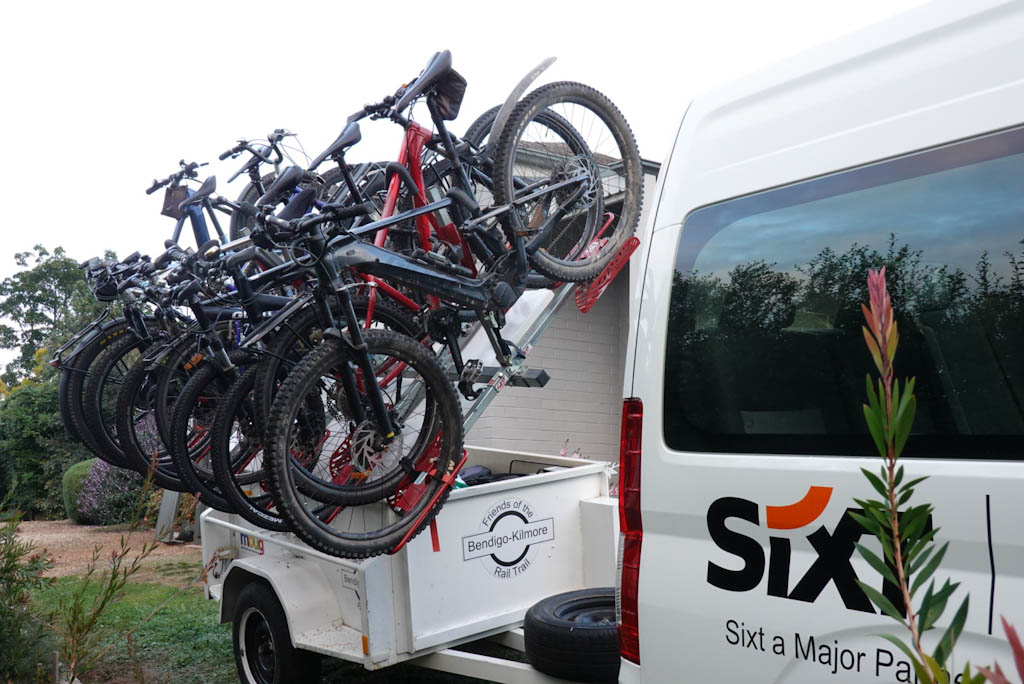
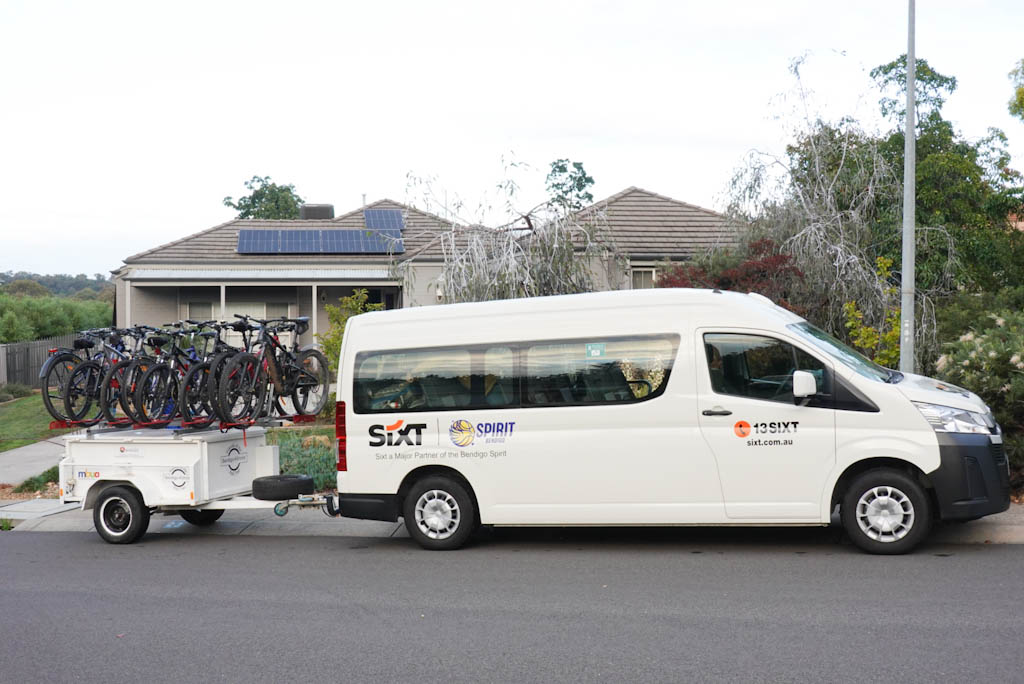
Our path to Burra, though being a long day, is relatively easy. In a rented mini bus with a trailer for luggage and bikes, we set out early on Friday morning with plans to make the long drive to Burra in one day.
Our group are only loosely connected, so there is some getting to know each other while we travel, and in getting to know each other we all learn all manner of useful (or not) information. For example, the Bills Horse Troughs will now live on in my store of “useless information” as Phill puts it.
I’ve never heard of them, but both Phill and Greg are well aware, in fact Phill, as a COVID hobby, would go out and ride to a Bills Trough and photograph it. That became a thing, apparently, amongst bike-riding bills-trough-aware people.
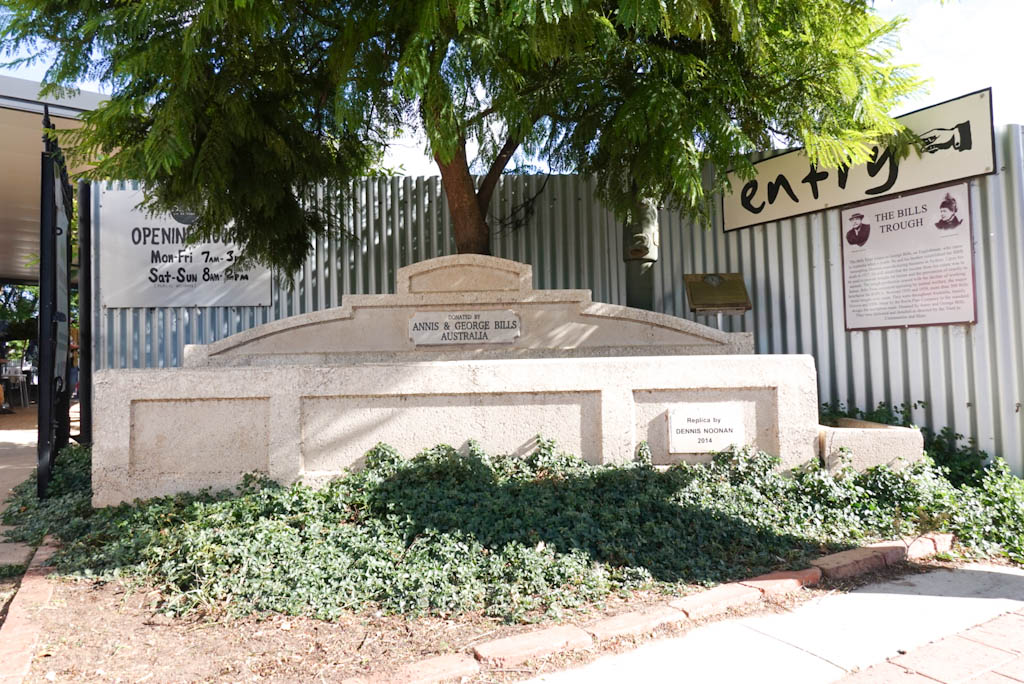
In short, there was once a couple named Annis and George Bills. They had money, and were animal lovers. When George died (Annis was already gone), having no children, he left a bequest to be used to set up concrete water troughs “for the relief of horses and other dumb animals.” These things are all over regional Victoria. You’ve probably seen one and never registered it.
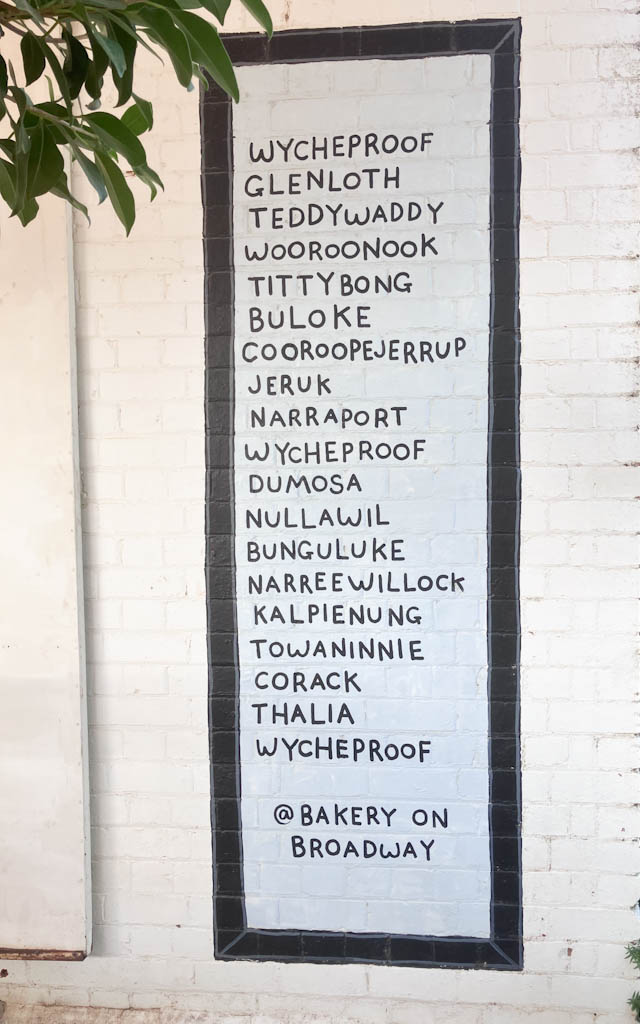
We find our first Bills Trough in Wycheproof on a morning tea stop at the bakery. It is, however, a replica, so is poo-pooed by the expert (Phill).
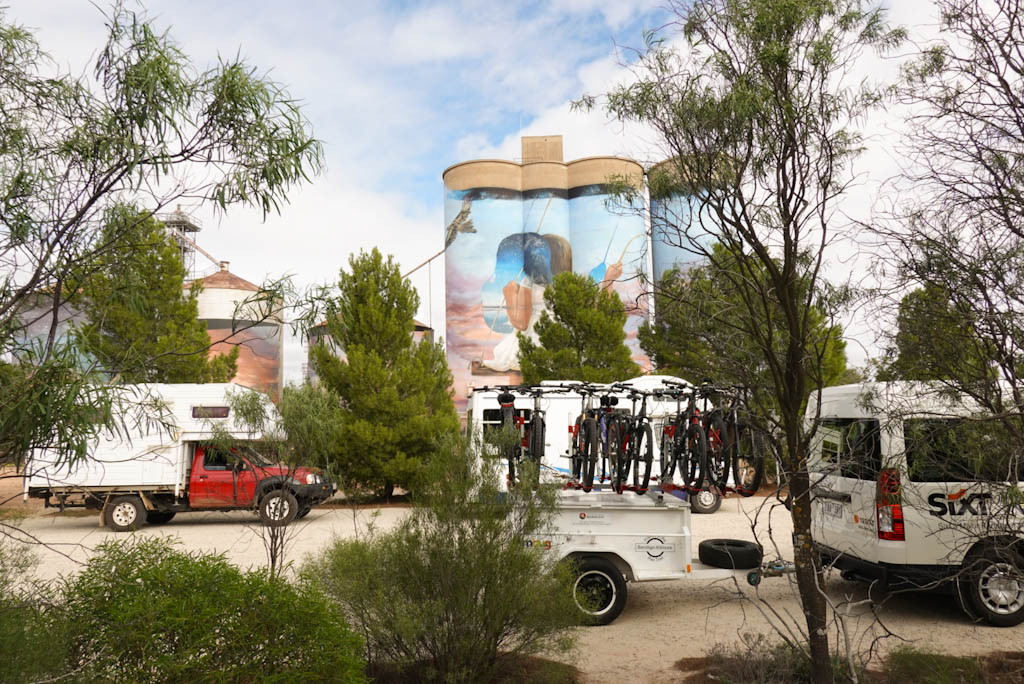
We make a few more stops along the way: Sea Lake, for the silo art, Lake Tyrell (faintly pink), and Werrimull, for lunch and some more silo art, and where we eat all our fresh fruit becase we realise it is eat it or dump it when we cross the border into South Australia.
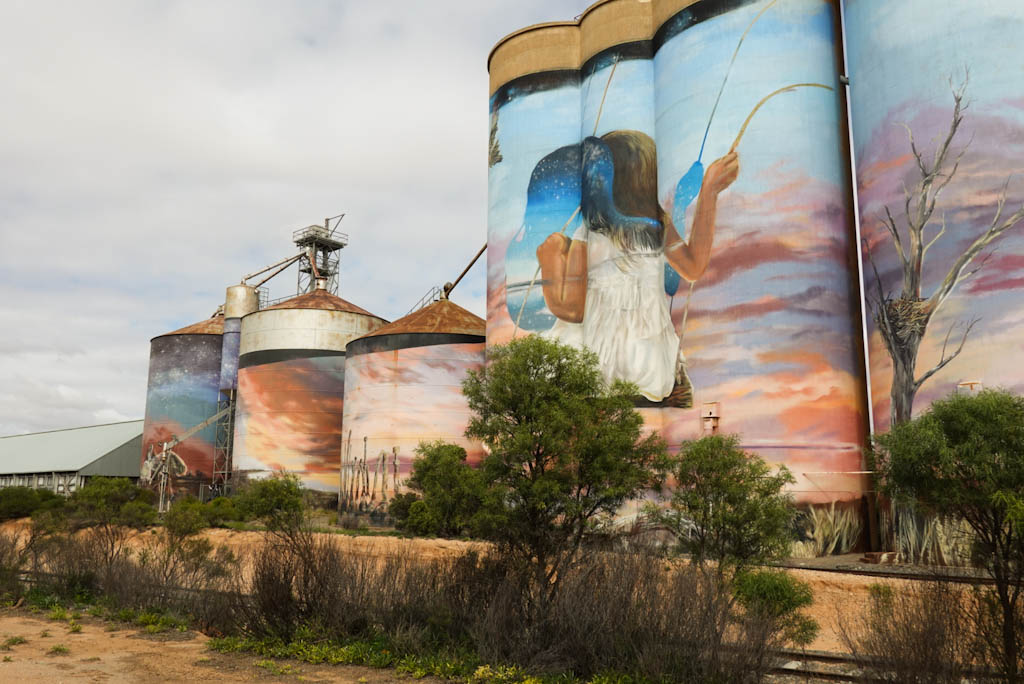
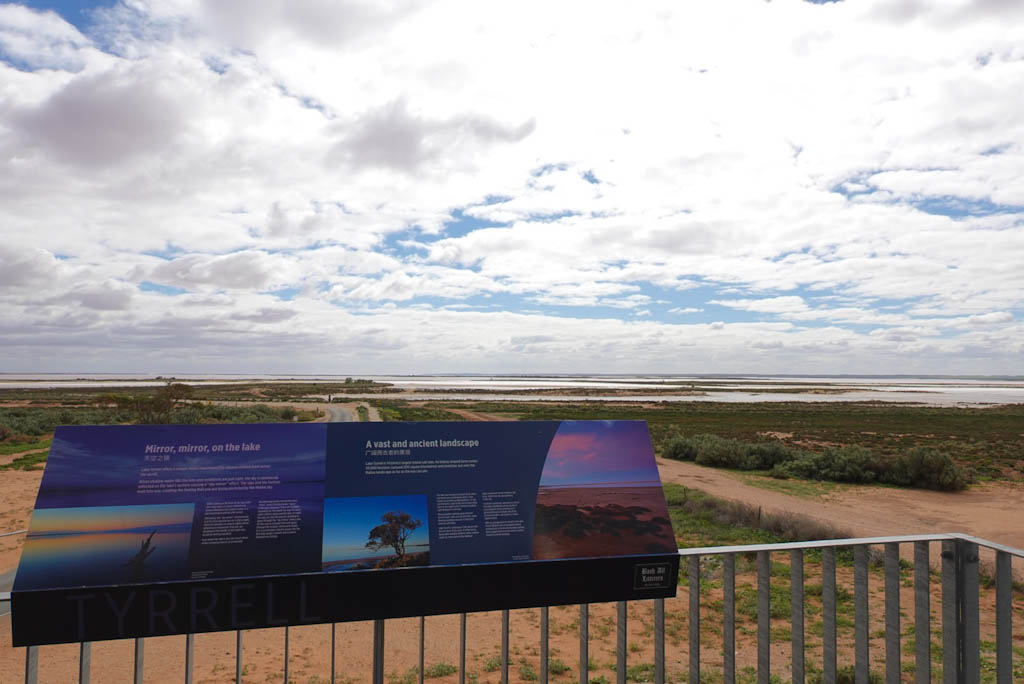
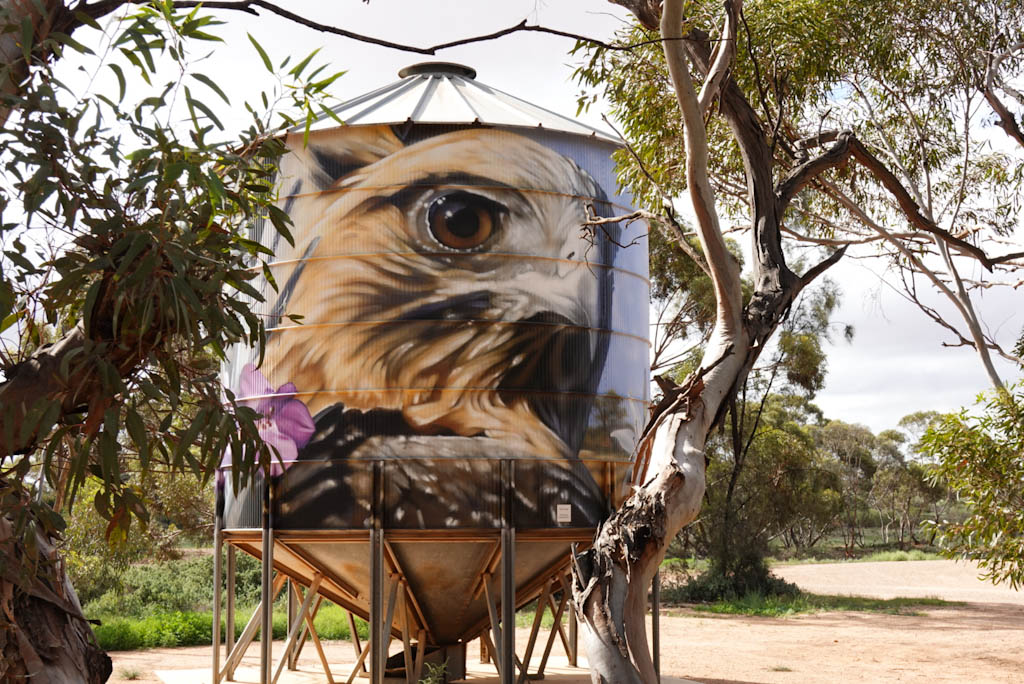
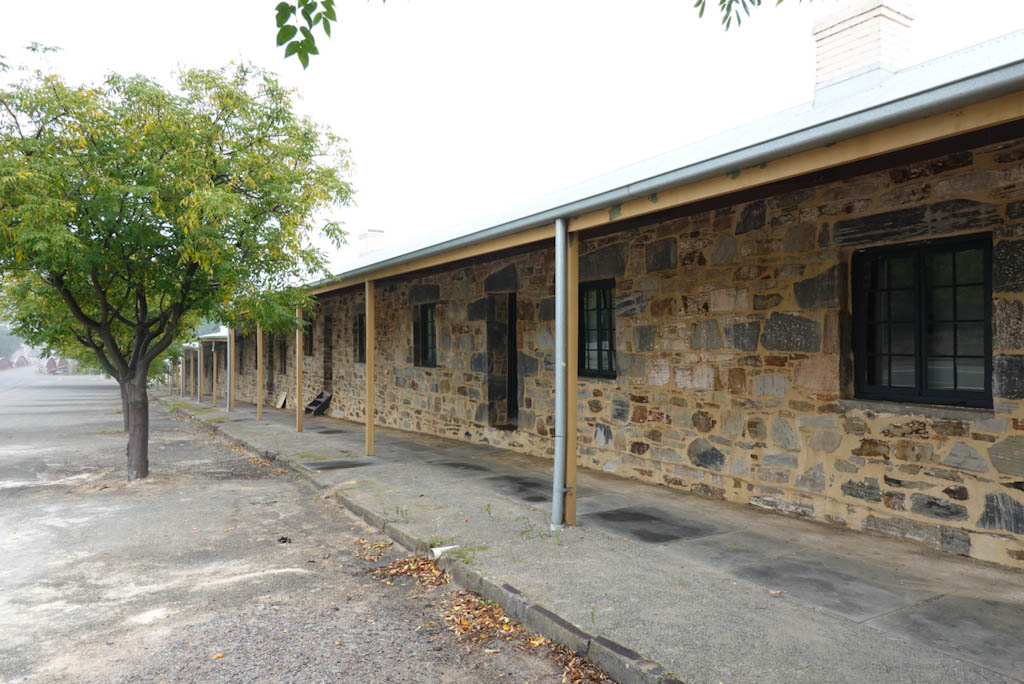
It’s late in the day when we finally pull into Burra and I’m super happy to find that we are staying at the Paxton Cottages. Neil and I camped at the Burra football ground last year when we rode the Mawson Trail, and I was so jealous of the people who were staying in these historic cottages. Mind you, it was cold and rainy last year which made a tent very unappealing.
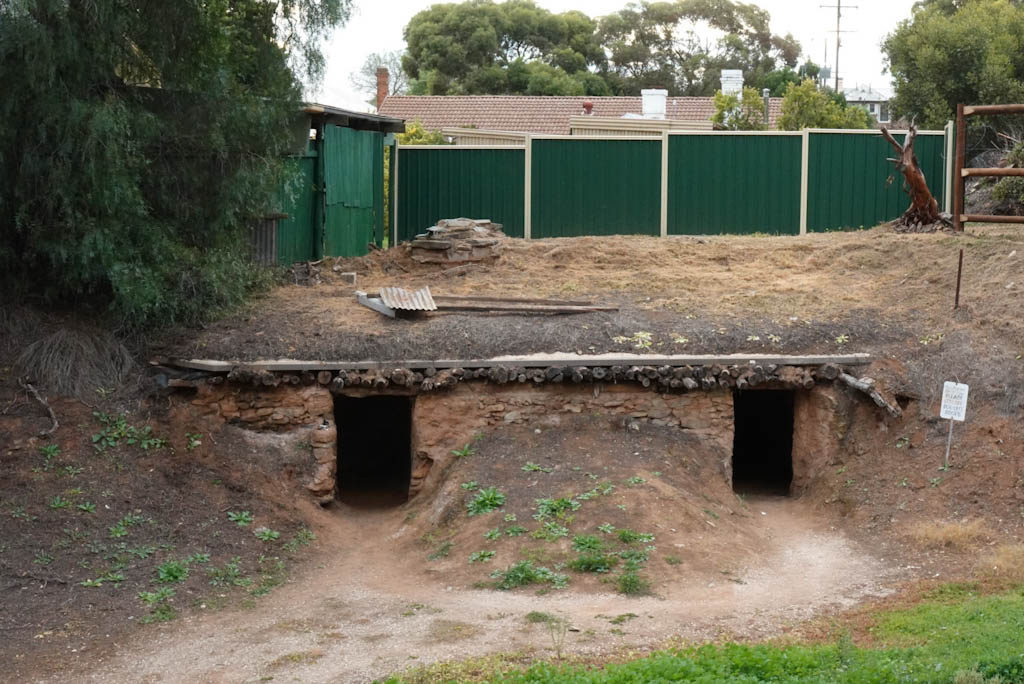
The cottages give us another link to the Ninnes family, because they also stayed here. The cottages were built in the 1840s/1850s to provide accommodation for miners and their families and to get them out of the dugouts that many were living in. They had many advantages over dugouts, including having a ceiling that was not made of earth, and were less likely to flood. The dugouts were located along a creek.
We shared a four room cottage with Tim and Pat; the Ninnes family shared a four-room cottage with several other families. After a time the Ninnes family moved out to a three room house of their own.
Where would you choose to live?